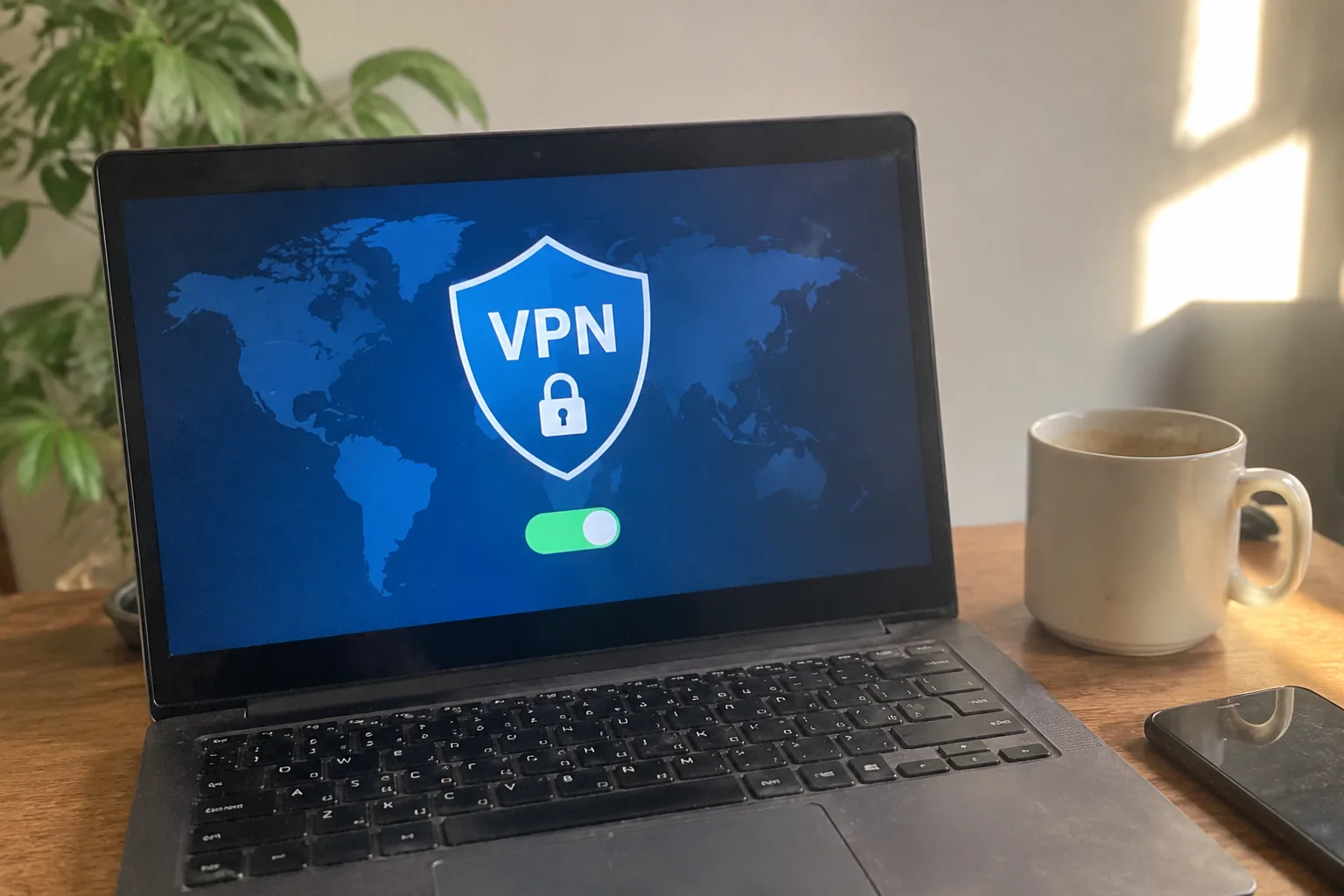
The price tags on commercial VPN subscriptions cluster in a narrow band. Most land between $3 and $12 a month once the promotional fog clears. That is a strange market: a service that can route every packet a household sends, sold for less than a sandwich, from companies whose engineering costs are real and whose marketing budgets are enormous. The range is small but the difference in what a buyer actually receives inside it is not. Paying more does not reliably buy a better tunnel, and paying less does not reliably buy a worse one. The number on the checkout page tells almost nothing about the thing being sold.
What follows is an attempt to price the product by what it has to do, rather than by what the pricing page claims. Three costs hide inside every subscription: the servers and bandwidth, the trust that someone will not log traffic, and the friction of using the thing without wanting to throw the router out a window. Each has a floor. Below that floor, a vendor is subsidizing something, and the subsidy usually gets repaid in data.
The bandwidth bill nobody puts on the landing page
Streaming a season of television through a VPN consumes terabytes. A single 4K hour runs to several gigabytes, and a household that leaves the tunnel on for everything can push through a terabyte in a month without trying. Commercial bandwidth at wholesale rates is cheap but not free, and VPN providers buy it in bulk across dozens of data centers. The providers that survive on $2 a month are not absorbing that cost out of kindness. They oversubscribe, throttle, or lean on affiliate marketing so aggressive that the product becomes a funnel for something else.
A realistic floor for a service that keeps up with a home connection sits somewhere around $4 to $5 a month on a long prepaid plan, and higher on a monthly one. Below that, expect congestion during evening hours, servers that vanish without notice, and a support queue that answers in days. The cheap tiers are not frauds. They are simply selling a thinner pipe than the marketing implies.
There is a second bandwidth question that rarely gets asked: how many devices. A plan that covers five simultaneous connections costs the provider roughly five times the transit of a single-device plan, yet the price difference between tiers is often a dollar. The buyer with one laptop and one phone is subsidizing the household running a dozen gadgets through the same account.
What a no-logs claim is actually worth
Every provider advertises a no-logs policy. The phrase has no legal definition and no independent referee. A company can write it on a page, mean it sincerely, and still be forced to hand over connection metadata it never intended to keep. The claims that carry weight are the ones backed by an outside audit, published in enough detail that a reader can see what was examined and when. Audits are expensive. A firm paying for one annually is spending real money on trust, and that money comes from somewhere in the subscription.
Jurisdiction matters for the same reason. A provider incorporated in a country with mandatory data retention has a legal problem its marketing cannot fix. The practical advice is dull but reliable: read where the company is registered, read whether it has been audited, and treat a lifetime of breathless privacy promises as worth roughly the paper it is printed on. None of this is visible in the monthly price, and all of it should influence what a buyer is willing to pay.
The free tier is a different product with a different business model
Free VPNs exist, and some are honest about their limits. The economics are unforgiving. Servers cost money, so a free service either caps data hard, sells the user's bandwidth back out as a residential proxy network, or monetizes the audience through advertising and affiliate deals. The middle option is the one to watch. A few well-known free apps have been caught renting customer devices as exit nodes, which turns the user into unpaid infrastructure for someone else's traffic.
Paying nothing is a legitimate choice for a person who needs to check a single region-locked page once. It is a poor choice for anyone routing sensitive work through the tunnel. The honest free options are narrow, well documented, and usually run by nonprofits or as loss leaders for a paid product. The rest are harvesting something, and the harvest is the price.
Speed, measured in the evening, not in the ad
Marketing pages quote peak throughput from a lab. The number that matters is what a connection does at 8 p.m. on a Sunday, when the provider's servers are carrying the most load and the home network is busiest. A $3 plan and a $9 plan may both claim gigabit speeds. One of them will deliver a fraction of it when the house is streaming. The other will come closer.
There is no way to know which from the pricing page. Trial periods and money-back windows exist for exactly this reason, and a buyer who skips them is gambling on a spec sheet. Thirty days is standard. Use them.
The router question changes the math
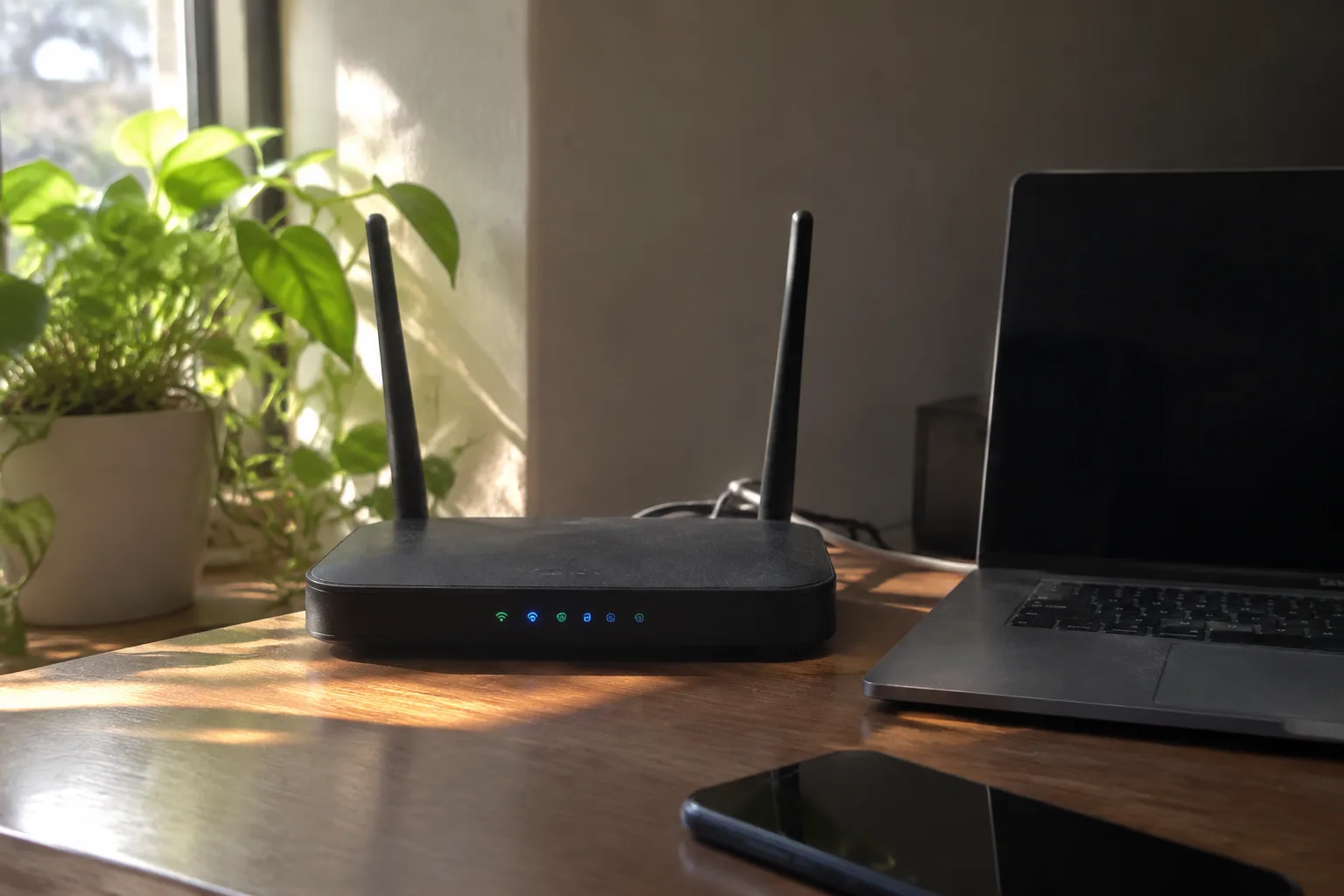
A subscription that covers a phone and a laptop is one product. A subscription that runs on the router, protecting every device in the house including the smart thermostat, is a different one, and it is worth more. Most providers support router configuration, but the setup is fiddly and the firmware support varies. The firms that make it easy charge for the convenience, and that convenience has real value for a household that does not want to think about the tunnel again after setup.
This is where the per-month framing breaks down. A $10 plan that covers the whole house and a $4 plan that covers two devices are not competing on price. They are selling different amounts of coverage. Comparing them by the sticker number is like comparing a family plan to a single line and concluding the family plan is expensive.
Long prepaid terms and the refund window that protects them
The steepest discounts come with two- or three-year commitments, paid upfront. That is a loan from the customer to the provider, and it carries risk. VPN companies get acquired, change ownership, and quietly rewrite their logging policies. A three-year prepay locks the buyer into whatever the new owners decide. The monthly price looks wonderful on the comparison site and terrible eighteen months later when the service degrades.
A reasonable compromise is a one-year term, bought only after a trial on the monthly plan has proven the speed and the apps work. The difference between the yearly and the multi-year rate is usually a few dollars a month, which is a small insurance premium against a provider going bad. The person who prepays three years to save $30 has optimized the wrong variable.
When the paid tier is the wrong purchase entirely
Some of the demand for VPNs is demand for something else. A person who wants to watch a catalog from another country, hide from a coffee shop's network snooping, or keep a hotel from injecting ads is often better served by a browser extension, a mobile hotspot, or simply not using the untrusted network. A full VPN subscription is a heavy tool for these jobs, and the monthly fee buys capability the buyer will never touch.
The opposite case is the person who actually needs one: remote work over untrusted networks, a need to appear in a specific region repeatedly, or a threat model that justifies the tunnel. That buyer should pay for the audit, the jurisdiction, and the speed, and should not flinch at $10 a month. The product is cheap relative to the risk it addresses.
A number that survives contact with the bill
For a single person with two devices and ordinary browsing, $5 to $7 a month on a yearly plan buys a service that works, keeps up in the evening, and has been audited at least once. For a household covering a router and a dozen devices, $10 to $12 is the honest range, and anything under $6 in that category is a warning sign. For the buyer who needs one region-locked page a month, free or a browser tool is the correct spend, and a subscription is money lit on fire.
The price is not the product. The audit, the jurisdiction, the evening speed, and the device count are the product, and the monthly number is just the label the vendor chose to put on them. A buyer who prices those four things separately will land on a figure that holds up long after the promotional rate expires and the renewal email arrives at full price.